Poison Ivy Removal in Lancaster County, PA
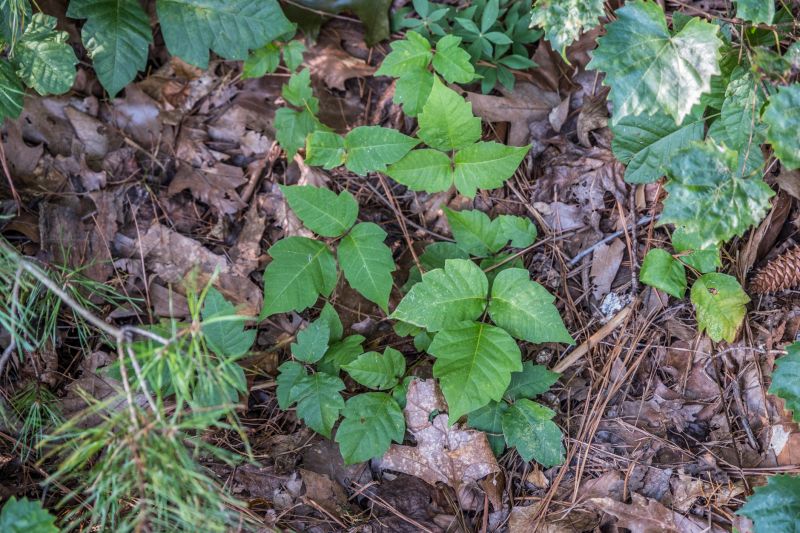
Poison ivy removal services focus on safely eliminating this invasive plant from residential properties, including yards, gardens, and wooded areas. These services typically cover the identification and removal of poison ivy, along with related plants like poison oak and poison sumac. Property owners often request this service to prevent skin irritation, protect children and pets, and maintain a safe outdoor environment. It is important to understand the extent of the growth, the location of the plants, and whether they are in hard-to-reach areas, so that appropriate removal methods can be planned effectively.
Before requesting poison ivy removal, homeowners should assess the size and spread of the infestation, as well as the proximity to desirable landscaping or structures. Clarifying whether removal includes root eradication or disposal methods can help ensure expectations are aligned. Additionally, property owners often want to know about the safety precautions involved, especially if the plants are near play areas, gardens, or outdoor living spaces. Proper removal can help maintain a safe, healthy outdoor environment and prevent future growth.
Many property owners in Lancaster County, PA look into Poison Ivy Removal for repairs, replacements, upgrades, and appearance-related improvements.
Identifying Poison Ivy
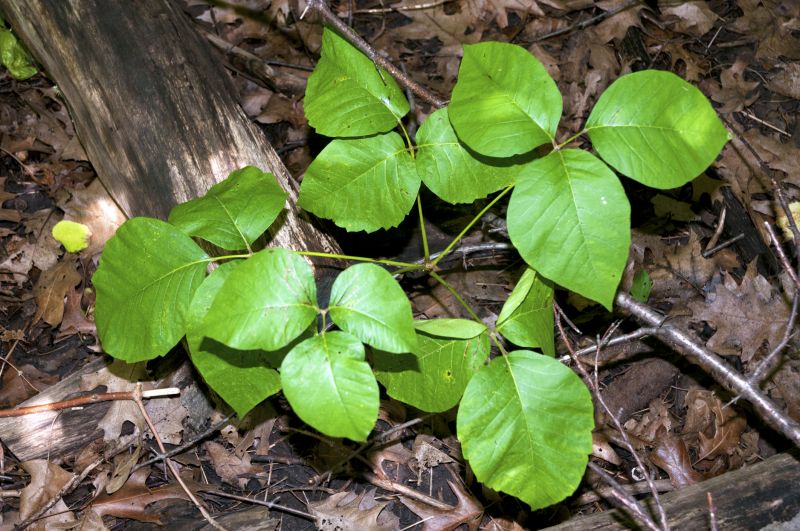
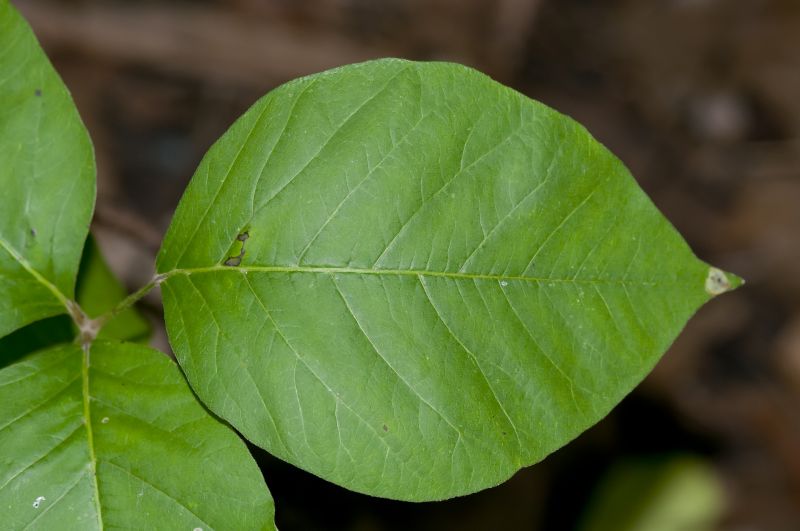
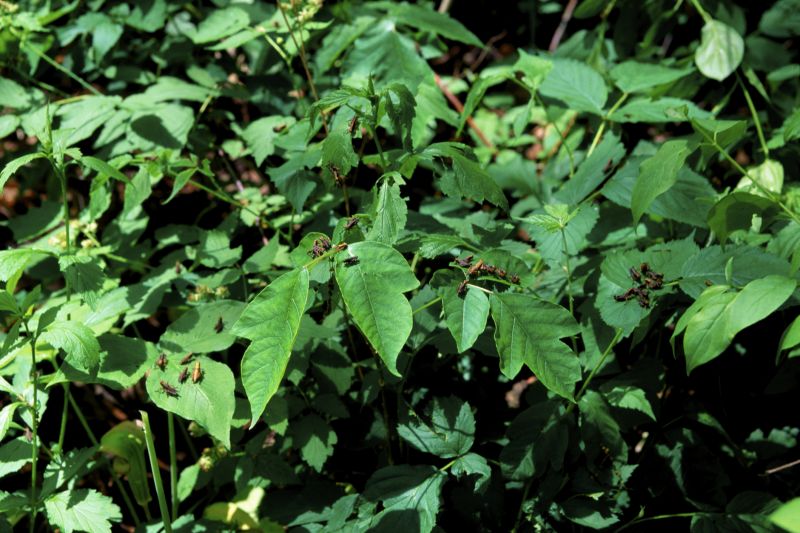
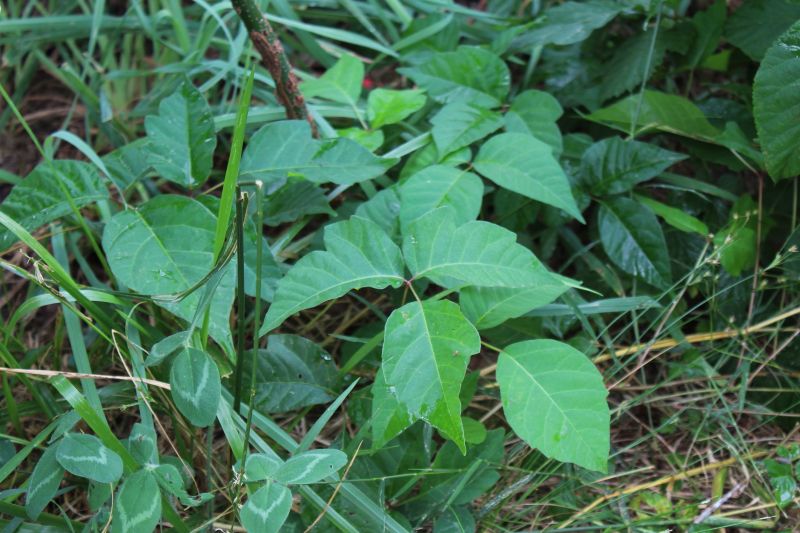
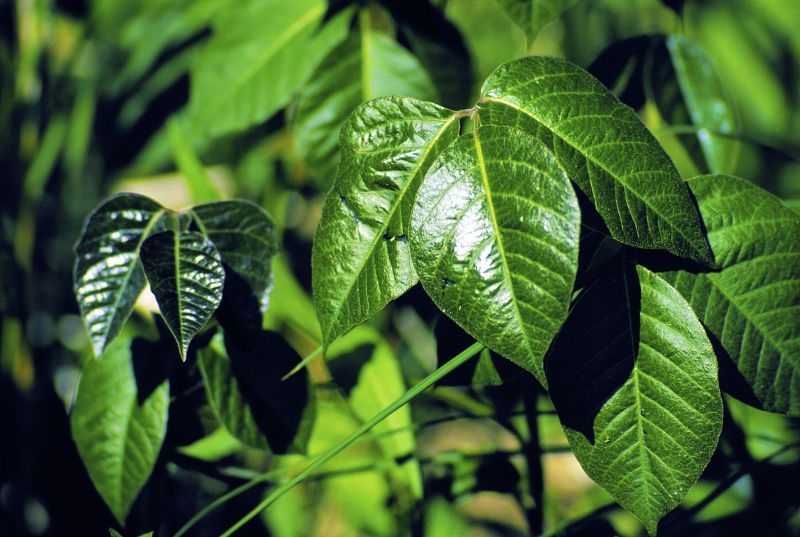
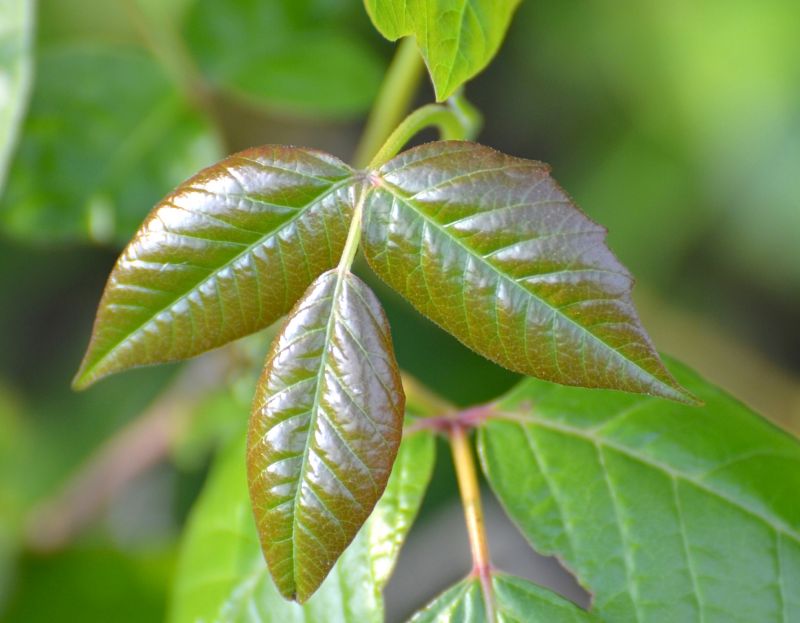
Recognizing poison ivy on residential and commercial properties in lancaster county helps prevent skin irritation and plant spread.
Safe Removal Methods
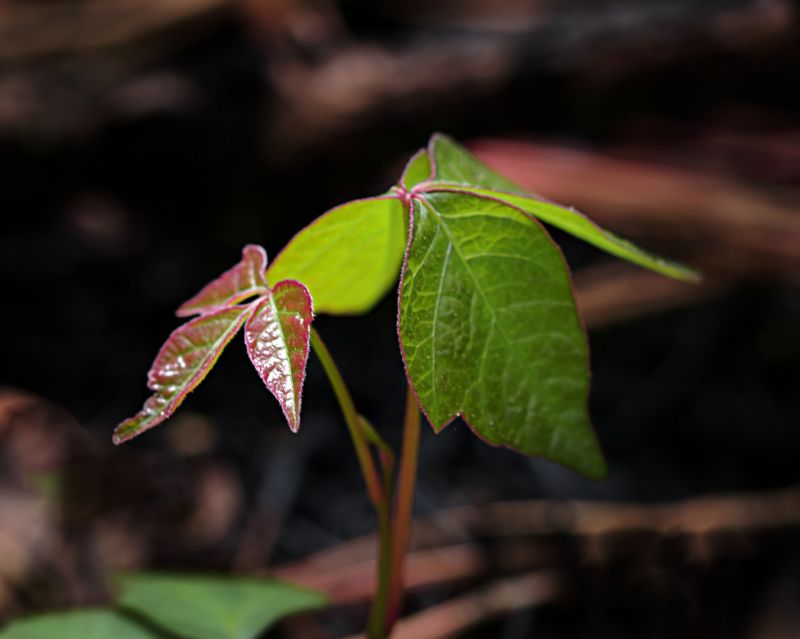
Professional removal ensures safe elimination of poison ivy without damaging surrounding landscaping or risking exposure.
Property Maintenance Tips
Regular inspection and removal of poison ivy can protect families and pets from contact and keep outdoor spaces safe.
Poison Ivy Removal in Lancaster County, PA
Poison ivy removal services focus on safely eliminating this invasive plant from residential properties, including yards, gardens, and wooded areas. These services typically cover the identification and removal of poison ivy, along with related plants like poison oak and poison sumac. Property owners often request this service to prevent skin irritation, protect children and pets, and maintain a safe outdoor environment. It is important to understand the extent of the growth, the location of the plants, and whether they are in hard-to-reach areas, so that appropriate removal methods can be planned effectively.
Before requesting poison ivy removal, homeowners should assess the size and spread of the infestation, as well as the proximity to desirable landscaping or structures. Clarifying whether removal includes root eradication or disposal methods can help ensure expectations are aligned. Additionally, property owners often want to know about the safety precautions involved, especially if the plants are near play areas, gardens, or outdoor living spaces. Proper removal can help maintain a safe, healthy outdoor environment and prevent future growth.
Many property owners in Lancaster County, PA look into Poison Ivy Removal for repairs, replacements, upgrades, and appearance-related improvements.
Common Poison Ivy Removal Jobs
Poison Ivy Removal - safely eliminates invasive plants from yards and landscapes.
Yard Clearing - removes poison ivy from lawns, gardens, and wooded areas.
Property Maintenance - prevents regrowth by clearing overgrown poison ivy patches.
Landscape Management - integrates poison ivy removal into ongoing property care plans.
Hazardous Plant Removal - addresses dangerous plants that pose health risks to residents.
Selective Clearing - targets specific areas with poison ivy to protect surrounding vegetation.
Poison Ivy Removal Questions
What is poison ivy removal? Poison ivy removal involves eliminating the plant to prevent contact and allergic reactions on your property.
When should poison ivy be removed? Removal is recommended when poison ivy is growing in areas frequented by people or pets to reduce exposure risks.
Is poison ivy removal safe for my landscape? Yes, professional removal methods are designed to target the plant while minimizing impact on surrounding vegetation.
What are common locations for poison ivy? Poison ivy often grows along fences, in wooded areas, and on shaded parts of lawns or gardens.
Request Poison Ivy Removal in Lancaster County, PA
Use the quote form on this page to share the basics of your project and request more information for the type of work you need.